Showing posts with label Thematic Teaching. Show all posts

Learning With Play Dough

If you want to improve your students’ handwriting, give them some playdough! Paper and pencil practice will help, but kids in kindergarten and other early grades need to continue strengthening hand and finger muscles. Manipulating playdough is a great way to do this! Handwriting Without Tears and other handwriting programs promote the use of playdough with supplementary letter and number cards.  Students not only develop muscles while using the cards, but they can also review letter names and letter formation at the same time.

Even if your students have great handwriting, playdough has a place in your classroom. Playdough is a great “tool” for Word Work activities. Forming each letter of a word helps students focus on the spelling of that word. The creators of The Daily 5 program recommend playdough as a material to keep in your Word Work or phonics center all year long. The tactile sensation of playdough helps students remember the words that they make.
 

Although you can purchase playdough, it’s fun to make it, too! Students can be involved in reading the directions and measuring the ingredients. If you make it in January, keep it white to resemble snow; if you make it in February add a little red food dye to the water for a pretty pink playdough. By using a different color each time you make it, this material will be “new” and exciting each time!

This unit has a great activity called "Snow Dough" that uses homemade dough to teach a Language Development 

Thanksgiving: Teaching Thematically

Looking for a great Thanksgiving Song?


    I'm a very fine turkey and I sing a fine song.
    Gobble, gobble, gobble, gobble, gobble.
    I strut around the barnyard all the day long.
    And my head goes bobble, bobble, bobble.

    And when Thanksgiving Day comes round,
    Gobble, gobble, gobble, gobble, gobble.
    I'll go and hide so I can't be found.
    Then my head will still bobble as I gobble.

And check out this great Thanksgiving Unit:

This Thanksgiving unit is strategically linked to the Common Core Standards! It is divided into areas of literature, media, music, art, literacy activities, math activities, worksheets, science activities, creative writing, word wall words, and guided reading. The activities are clearly written, easy to use, and need limited amounts of preparation. 


Literacy Activities:
Hop To It: Identifying Letters and Sounds
Turkey Lurkey: Producing and Generating Rhymes.
Turkey Twist: Kinesthetic Practice With Letter Recognition
Dinner Rush: Naming & Generating Beginning Sounds
Thanksgiving Races: Developing Fluency
Rhyming Worksheet


Math Activities:
Turkey Guesses: Making Estimates
A Feast For All: Counting Objects to Show Physical Representation of Numbers
Thanksgiving Feast: Counting Forward From a Given Number in a Set of 10
The Turkey Dance: Identifying Numbers and Recording Results.
Thanksgiving Parade: Ordering 1-10 Ten Frames
The Turkey Bowl: Comparing Groups of Objects

Songs
Gobble Gobble Gobble
5 Fat Turkeys
I Like Turkey
A Very Fine Turkey


Writing Prompts/Word Wall (Style Choices)
Thanksgiving
I am Thankful For
Thanksgiving Word Wall

Art Projects
Handprint Turkey
Easy Construct Pilgrim
Construct Indians
Tangram Indian
Draw a Turkey

Guided Reading Books
Happy Thanksgiving

Social Studies
Pilgrim Kids: Compare and Contrast Facts

Dinosaur Thematic Unit

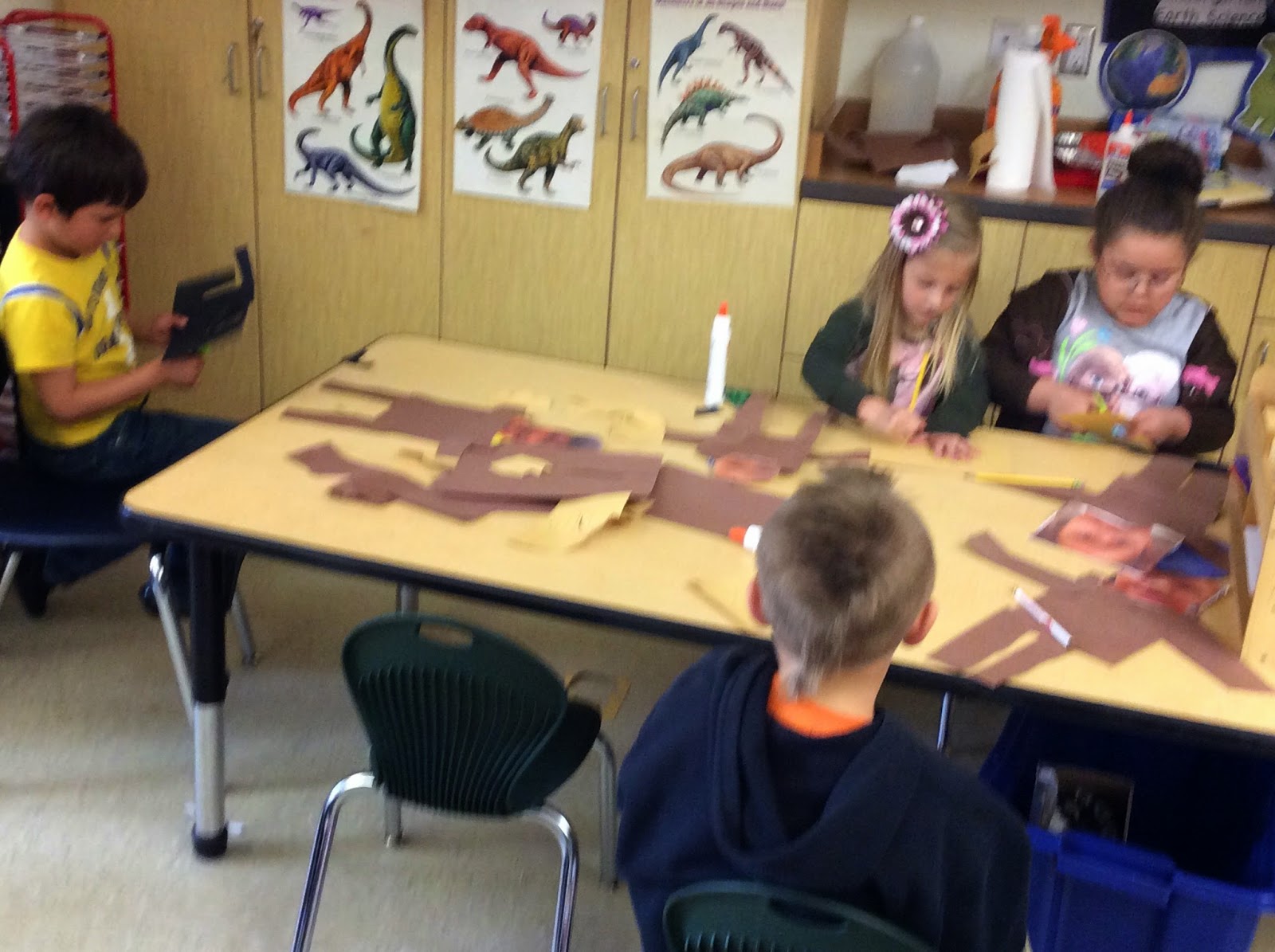
Are you wanting to fill your kindergarten classroom with dinosaurs? Here are three products you may be interested in trying.


But, if you do, be prepared for loads of Dino-Fun!


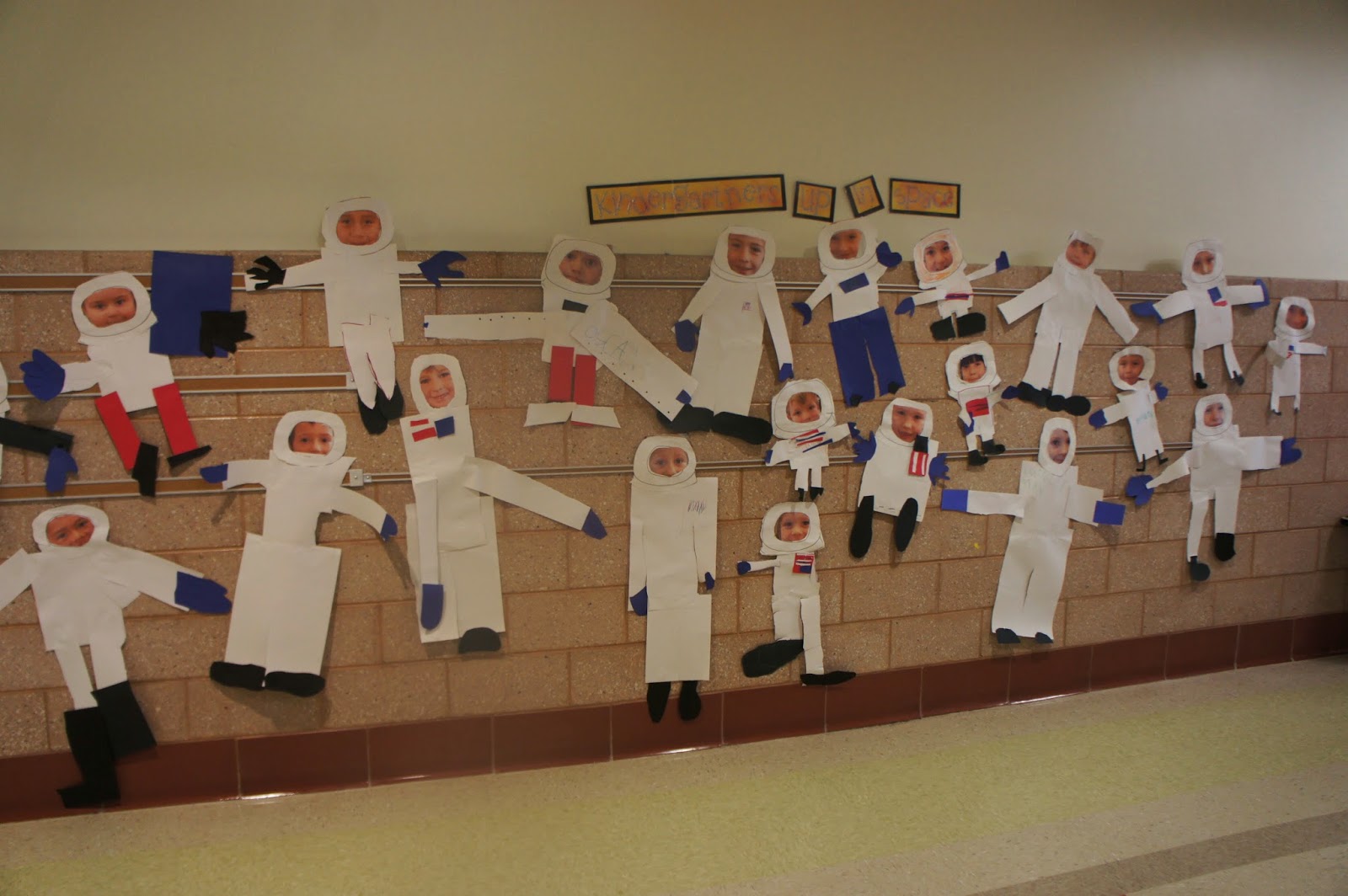
Kindergarten Astronauts and The Common Core

Make some adorable astronauts and practice a Common Core Standard along the way: 
CCSS.MATH.CONTENT.K.G.B.6 Compose simple shapes to form larger shapes. 


Writing Center Task Cards: Famous Tales

I love thematic teaching and I look forward to each new adventure. Right now, my students are enjoying exploring, comparing, contrasting and discovering folk tales. 


Are you looking for some great writing activities, ready to print and go!

My students love these "Folk-Tale" based writing activities. Complete with "I Can- Task Cards."


Use these to complement our full Thematic Unit:

Strategically link the Common Core Standards to your curriculum by using this fun fabled unit, Giants, Trolls & The Big Bad Wolf! It is divided into areas of literature, music, art, literacy, math, science, creative writing, word wall, and guided reading. The activities are clearly written, easy to use, and need limited amounts of preparation.

Table of Contents

Songs/Fingerplays

This Little Piggy
The Big Bad Wolf 

Literacy Activities
Up the Beanstalk: Writing Simple Words
The Three Little Pigs: Decoding CVC Words
Shake Little Piggy: Reading & Writing Sight Words
Big Bad Bingo: Identifying and Matching Consonant Digraphs
Cross The Bridge: Relating Verbs & Adjectives to Opposites

Shared Reading Whole Group Activities:
Identifying Story Elements
Beginning, Middle, End: Story Structure

Math Activities

Measuring-- Tall or Short: Comparing Size By Length
Measuring Giants and Trolls: Comparing Size 
Giants, Trolls & Wolves, Oh My! Writing Numerals
Going To Grandma's House: Counting Forward From Any Given Number 1-100

Art Projects

Cooperative Giant
Shape Giant
Billy Goat Hat
Puppets: Story Retelling

Science Projects
The Giant's Eyes: Using Scientific Tools

Writing

Word Wall
If I Met a Giant!
Up the Beanstalk?
The Big Bad Wolf

Geading Books
The Little Pigs


Teaching an Effective Guided Reading Lesson: Building Background

Building Background

After the mini-lesson portion of a guided reading lesson, it is time to activate student’s prior background knowledge. For example, if the book is about the ocean, ask students what they already know about the ocean or sea life (you can simply accept responses and make it an oral conversation, or you may want to record responses and make a list or a spider graph. Next, make connections from their responses that will draw their interest toward the text that is about to be read. 

You may wish to follow student responses with a personal experience that you have had with the subject. My students always love to hear these personal stories, they find the notion that teacher’s having a life outside of the classroom is suspect, at best. I might relate an experience such as the following. (Holding a shell) I might say. “One time I was able to sail on a giant cruiseship across the ocean.” (I will show a personal picture of me on the ship). “One day as our ship was cruising, right out of my window I saw a large whale jump into the air.” “This trip on the ocean was so exciting for me, I brought back this seashell so I can better remember it and all of the great ocean creatures I was able to see.”

The kids are now ready! They want to know more about the ocean! At this time, show the students the selected book (teacher holding the copy), and take a "picture walk" (an important tool which builds confidence and support for the reading strategy of using pictures as context clues). To do this, turn through the book page by page calling attention to the pictures. Ask questions such as “What do you see on this page?”; “What do you think is happening on this page?” and “Do you know what this is a picture of?”


Before you turn the last page, allow students to predict what picture might be on the last page to represent the ending of the story. Remember to guide this activity with great care and thought, intentionally implanting important vocabulary words along the way.

Check out these great thematic guided readers:


Fill the Classroom With Music

With Christmas around the corner, music can be heard up and down the halls. Whether you are practicing for a program or just enjoying the sounds of the season, music can greatly impact your classroom. Music can help set a mood. With music, you can calm down...or speed up...the actions of your students. The shared experience of listening to or singing a favorite song can also create a stronger bond within a class. 


Incorporating music into your instructional plan has additional benefits. Through music you can build vocabulary and develop language. Music can reinforce concepts that your students are learning in science or social studies. Songs can also be used to teach letters sounds, sight words, and even math facts.


If you’re looking for some musical resources, check out Singlish for help with language development and Heidi's Songs to promote sight word recognition. Because of the importance of music as a learning tool, we also include songs with each of our cross-curricular thematic units. Music should have a place in every classroom; make this a reality in your school during the Christmas season and beyond.
Scarecrow Thematic Unit

Looking for some great pre-Thanksgiving fun? Give Scarecrows a try.
This year's family take-home project: Scarecrows 

This year's family take-home project: Scarecrows 


Complement our harvest, fall, Halloween, or Thanksgiving units with these great scarecrow activities inspired by the book "The Little Old Lady Who Was Not Afraid of Anything" - by Linda Williams & illustrated by Megan Lloyd

The Scarecrow unit features activities that are clearly written, easy to use, and need limited amounts of preparation. Each activity has clear objectives and are strategically linked to the Common Core Standards.

Unit includes:

Literacy Activities:
The Little Old Lady: Story Elements/Sequencing
The Scarecrow: Using Metacognition
Yummy Pumpkins: Word Substitution
Spin a Scarecrow: Blending Onset and Rime
The Sound Maze: Identifying Initial Sounds
Catching Crows: Identifying Letters
Scarecrow Rhymes: Matching Rhyming Pictures
Find the Crow: Writing Capital Letters
Scarecrow Sounds: Identifying Initial Sounds


Math Activities

Scare-A-Crow: Creating a Picture Graph and Recording Data
The Scarecrow: Using Pattern Blocks to Make a Larger Shape
Scarecrow Scare: Comparing Numbers
Scarecrows Count: Counting Forward
Counting Crows: Counting Cardinality
Team Scarecrow: Comparing Groups

Art Projects
Pattern Block Scarecrow
My Shape Scarecrow

Kitchen
Scarecrow Snack
Scarecrow Supper

Writing
Scarecrow Word Wall
If I Were a Scarecrow
How to Scare Crows
Label-It Scarecrow
Classroom Book: My Scarecrow

Guided Reading Books
The Scarecrow

Songs/Fingerplays
The Scarecrow
Little Scarecrow
How Scary Can You Be?
Scarecrow Turn Around
Dingle Dangle Scarecrow


Apple Unit Newly Updated

Our Apple Thematic Cross-Curricular Unit has been updated! It includes an updated look on one game, a new game, new apple songs, a new "photo" word wall. 


Contents Include:

Shared Reading Lessons:
And Apple is its Name Oh: Enjoying Songs & Poetry
Way Up High in the Apple Tree: Enjoying Songs & Poetry
Yummy Apples: Word Substitution

Literacy Activities
ABC Apple Orchard: Identifying Alphabet Letters
Apple Tree Rhymes: Producing Rhyming Words
Eating Apples: Identifying Beginning Sounds
Color Word Worms: Matching and Writing Color Words
ABC Apple Trace: Tracing Alphabet Letters

Math Activities
Willy the Wandering Worm: Identifying Numbers
Apple Number Memory: Matching Numbers
Bobbing For Apples: Working with 5-Frames
Math Journal Sticker: Draw an Apple Story

Writing
Apple Wordwall (Realistic Pictures)
Apple Parts: Labeling Activity
The Way I Like Apples
Johnny Appleseed
Aa Handwriting Sheet

Guided Reading Books
I like Apples
Apples Guided Reading Supports

Science
Apple Taste Test: Making Comparisons & Recording Data
Apple Life Cycle: Portfolio Sample

Art Projects
Apple Tree Art
Apple Mosaic

Songs/Fingerplays
Eating Apples (Be careful, this one will not leave your brain)
Five Little Apples
Have You Ever Seen An Apple
The Apple Tree
Apples
Applesauce


Printfriendly