Showing posts with label Handwriting. Show all posts

Sticks and Curves: Uppercase Handwriting Worksheets


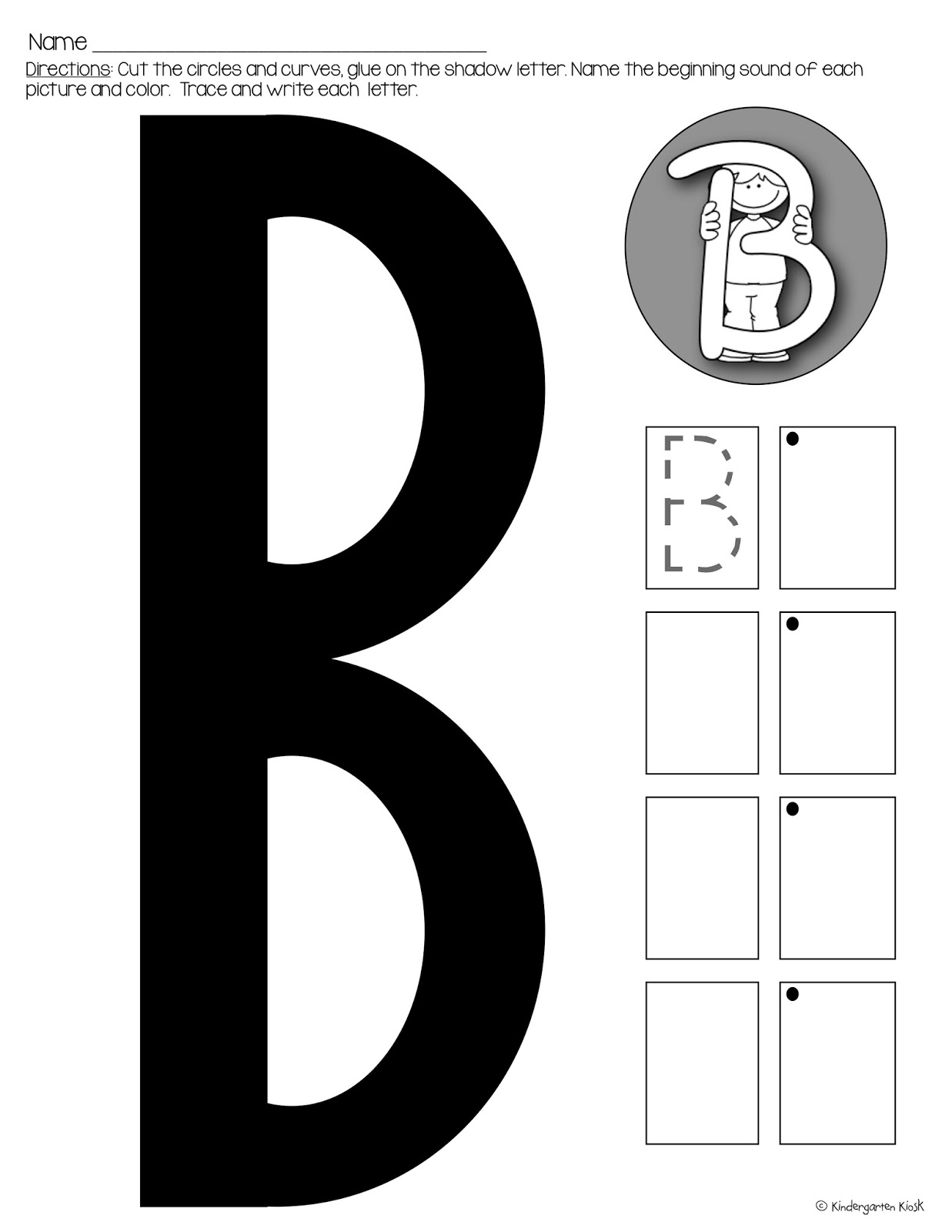
If you love Handwriting Without Tears, or just looking for a quality product for early learners, you will love this Uppercase Letter Formation product! There are two versions. The one page version included in the preview, and a 2 page version that may be easier for little hands to manipulate.

Developmentally appropriate practices are especially important when it comes to the teaching of letter formation. These worksheets will fill that bill. Each worksheet is interactive and is completed in five steps.
1. Student cuts along dotted line.
2. Student cuts out sticks and curves.
3. Student glues the white pieces on the black letter.
4. Student traces and then writes the letter practicing the stick and curves.

5. To complete the page, the student can color the pictures that begins with the letter sound.


As with all of our products! Classroom tested and Developmentally Appropriate for Early Learners.


Students cut the two curves and 1 stick apart

 
Student Paste Pieces on Letter and Trace/Write

Handwriting in Kindergarten


Why teach handwriting in kindergarten? Research indicates that structured handwriting lessons lead to improved writing performance, increased letter identification, and academic success. MRI scans done before and after letter instruction even found that when children practiced printing by hand, their neural activity was greater than those who had simply looked at their letters.

While teaching handwriting in kindergarten is necessary and beneficial, it is also important to keep instruction developmental.  What steps can we take to meet this goal? Try the following:
  1. Encourage your students to pick up small items - legos, buttons, beans, counting chips, etc.
  2. Provide opportunities for your students to play outside - monkey bars are great for strengthening upper body as well as finger and hand muscles.
  3. Teach capital letters first, then lowercase letters. Students are more familiar with capital letters and they have an easier time forming them; furthermore, capital letters all start at the top and they are distinctly different from each other.
  4. Instead of following an A to Z order for handwriting, present easier letters (such as F) first.
  5. Provide tactile opportunities for students to form letters with playdough, wood pieces, wikki stix, pipe cleaners, etc.
  6. If possible use a developmentally appropriate handwriting program such as Handwriting Without Tears.


Handwriting instruction can be completed in a short time - just 10 to 15 minutes each day. With a developmentally appropriate approach, you can not only help your students improve in handwriting, but you can also enhance their learning and performance in language arts and math.

To compliment your handwriting program, we offer several products:


Developmental Handwriting

This summer I have been working with T. my grandson on strengthening the muscles in his hands and handwriting. He is not excited about it, needless to say, handwriting generally is not a child's favorite subject.

I have found, however, that students love handwriting when the instruction is developmental and active. T. loves these worksheets. I don't think he even knows that it is handwriting. Each sheet allows the student to make the alphabet letter using sticks and curves.


Check it out at our online store by clicking on the title below.


Practice Handwriting Using a Catchy Tune

Review or introduce important vowel sounds using this catchy song sang to the familiar tune "The Wheels on The Bus!" And as you do, practice handwriting formation of vowels using these inviting workbook pages. Use individually or staple on the left to make a small "The Vowels on the Bus" workbook using the blackline cover provided.

*UPDATE: As requested, all consonants are now included for flexibility in use of this great practice in handwriting and letter sounds! 


Printfriendly